
How to Create a Healthy Routine When Life Feels Chaotic
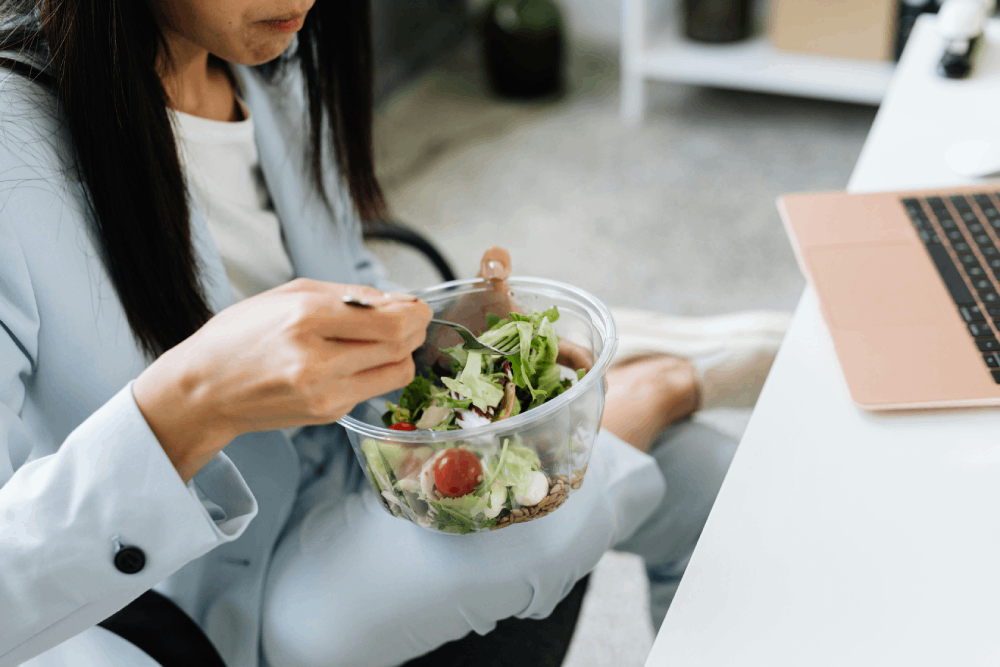
When life feels chaotic and unpredictable, trying to “get everything in order” all at once usually backfires and leaves you even more exhausted. Instead, you can create a simple, consistent routine that supports you on your toughest days. Start with a few essential small habits that you can stick to even when you’re exhausted. From there, you’ll add a 15-minute anchor and flexible backup plans, so your routine actually works when things go wrong.
Identify your essential daily activities
Defining a few essential daily activities and consistently protecting them can give your routine a stable structure that reduces stress and decision fatigue. Choose 2–3 small, specific actions, such as 10 minutes of journaling, a 20-minute walk, or a protein-rich breakfast. Keeping each one short, about 5–20 minutes, increases the likelihood that you’ll complete them regularly.
Whenever possible, schedule these actions during daylight hours. Exposure to morning sunlight (about 20–30 minutes) helps regulate circadian rhythms and is associated with improved mood and reduced anxiety. To reinforce these habits, use “habit stacking”: link each essential element to an existing routine (for example, writing in your journal right after making coffee).
According to Dr. Cianconi’s advice, it’s also helpful to plan alternatives and recovery strategies. For example, if you can’t take a 20-minute walk, you could replace it with a 5-minute walk or a short stretching session. If you skip a day, pick it back up the next day without trying to “make up” for the entire amount. This approach maintains the overall pattern and promotes long-term consistency.
Designing a Simple Daily Routine for Chaotic Days
Even on very busy or unpredictable days, a simple routine can provide a helpful sense of structure. A practical approach is to select a single non-negotiable morning activity, such as 10 minutes of journaling or a 15-minute walk, to complete within the first hour after waking up. This creates a consistent anchor that doesn’t require much time or planning.
In the evening, spend about five minutes identifying the most important task for the next day and setting aside a 15–30-minute block of time to work on it. This helps reduce decision-making effort the next day and increases the likelihood that key priorities will be addressed.
Aim for at least 15 minutes of focused work or physical activity each day. Regular repetition, even in small amounts, fosters habit formation and gradually reduces the mental effort required to get started. Whenever possible, include 10–20 minutes of exposure to daylight, which can help regulate your circadian rhythm and boost overall alertness.
To maintain this routine during disruptions, prepare simple backup options, such as pre-made meals, short workouts at home, or stepping out onto the balcony or near a window to get fresh air and light. These contingency solutions allow you to maintain the core elements of your routine, even when circumstances change.
Start with a 15-minute baseline routine
Start by establishing a consistent 15-minute baseline routine at the same time every day, ideally linked to an existing habit like brushing your teeth or drinking your first cup of coffee. Research on habit formation suggests that repetition in a stable context increases the likelihood that a behavior will become more automatic over time; some studies indicate that this process can take anywhere from several weeks to a few months, with 66 days often cited as an average rather than a fixed rule.
A practical framework for this block includes three components: five minutes of physical movement, five minutes of journaling, and five minutes of planning. Tying the routine to a specific cue (for example, “after finishing my coffee, I start my 15-minute routine”) helps reduce the need for active decision-making and promotes consistency.
During periods of travel or increased stress, it can be helpful to keep the 15-minute time slot intact by simplifying the activities. For example, you could switch to lighter exercises, shorter journal entries, or a very concise planning checklist, rather than skipping the routine altogether. Tracking completion (for example, on a calendar or an app) provides feedback on adherence and can make patterns of consistency or disruption more visible over time, which promotes gradual adaptation and the stabilization of your core routine.
Use small habits to maintain your routine when you’re exhausted
Forcing yourself to follow a full routine on an exhausting day often reduces consistency over time.
A more sustainable approach is to scale down the routine to a very small, clearly defined action. Choose a habit that takes less than two minutes, such as writing a sentence, reading a line, or doing a push-up. Link this action to an existing behavior, such as after brushing your teeth, pouring coffee, or opening your laptop.
Commit only to this minimal version of the habit, treating any additional effort as optional rather than expected. This reduces psychological resistance and helps maintain continuity. Follow the action with a small, immediate reward, such as taking a sip of tea, doing a brief stretch, or marking the activity as completed.
When travel, illness, or other unforeseen events occur, you can further scale back the habit—for example, to 60 seconds of mindful breathing—to preserve the routine and reinforce your identity as someone who follows through on what they set out to do, even under less-than-ideal conditions.
Incorporate movement and simple meals into your daily routine
Incorporating regular movement and simple meals into your day can make your routine more stable and easier to maintain when circumstances change.
Many guidelines suggest aiming for 15–30 minutes of moderate activity on most days of the week; options include a brisk walk, a short yoga session, or a brief interval workout at home. These forms of movement can help regulate mood, reduce anxiety, and support overall physical health. If going outdoors isn’t practical, indoor alternatives such as bodyweight circuits, online fitness classes, or using equipment like a foam roller can provide similar benefits.
Maintaining a small rotation of 3–5 simple, nutrient-rich meals can reduce decision fatigue and promote consistent eating habits. Examples include soups, kitchari, grain bowls, omelets, or frozen vegetables paired with a protein source. Cooking double portions when possible allows for leftovers, which can save time and help maintain dietary consistency.
Spending a few minutes each evening deciding on a planned physical activity for the next day and a simple meal-related task (such as chopping vegetables or portioning out leftovers) can improve consistency and make the overall routine more sustainable.
Keep your daily routine flexible enough for real life
As you incorporate movement and simple meals into your day, your routine is more sustainable if it’s flexible rather than rigid. A practical approach is to create “anchor points” such as wake-up time, meals, and bedtime. Activities between these anchor points can vary based on workload, energy levels, and unexpected events.
Spending a few minutes each evening identifying 1–3 realistic priorities for the next day can improve consistency. Adding a buffer to each activity is helpful, since most tasks tend to take longer than expected. Maintaining at least one small non-negotiable habit—such as a short walk, 15 minutes of focused work, or a brief journaling session—helps you make incremental progress even on the busiest days.
It’s also helpful to plan backup options, such as a short walk around the house, a 10-minute exercise routine, or an online class, so you can adapt when your original plan isn’t feasible. Viewing your routine as a guideline rather than a set of rigid rules reduces the likelihood of abandoning it after unexpected events. Missed days are common; getting back on track at the first opportunity fosters long-term consistency.
Conclusion
When life feels chaotic, you don’t need a perfect routine, but a compassionate and realistic one. Choose a few concrete, non-negotiable points, link them to resources you already have available, and protect those 15-minute breaks as if they were important—because they are. Let small habits, simple movements, and easy meals sustain you on difficult days. Keep track of your small victories, adapt to life’s changes, and remember: it is consistency, not perfection, that slowly gives you back control of your days.